
From early mornings to late nights, street food is a familiar sight across Nigeria. Whether you’re heading to work, coming back from school, or just strolling through the neighbourhood, there’s always something hot and ready by the roadside. From early morning akara to late-night suya, these meals have become normal for many people. They’re cheap, fast, tasty and filling. You don’t need to enter any fancy place—just walk up to the woman with the charcoal grill or the man turning puff-puff in hot oil.
But let’s not talk too much. You came here for the food, so let’s get into some of the best Nigerian street food you really need to try at least once in your life.
1. Suya
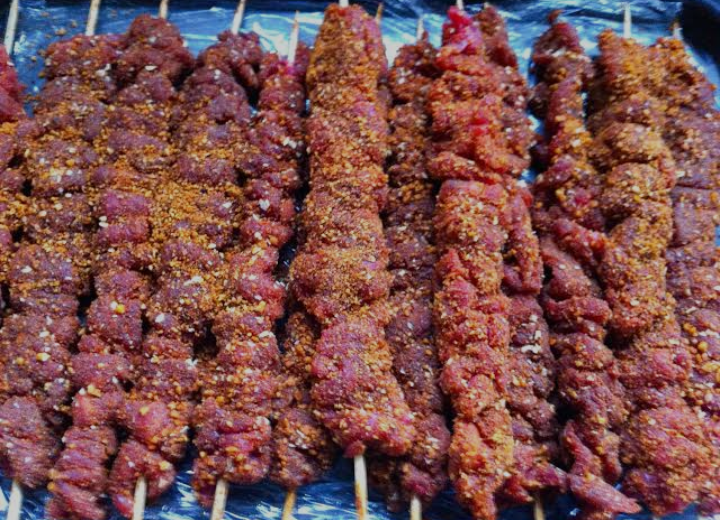
There’s hardly any street food as popular or as widely loved as suya. Originating from the northern Hausa-speaking parts of Nigeria, suya is a spicy grilled meat skewer often made with beef, ram, or chicken. It is seasoned with a unique blend of ground peanuts, dried pepper, and various local spices, then grilled over open flames by street-side vendors. Suya is often served with thin slices of onions, tomatoes, and cabbage, sometimes wrapped in newspaper or foil, giving it a rustic and nostalgic appeal. No night out is complete without at least one stop at a suya spot.
2. Puff-Puff
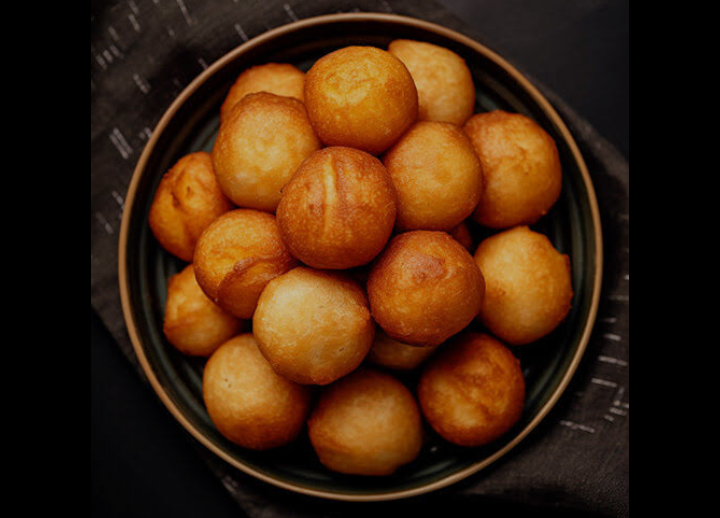
Another irresistible street delicacy is puff-puff, a soft and slightly sweet deep-fried dough ball. Though it may seem simple, puff-puff is cherished across all regions of Nigeria. It is usually made with flour, sugar, yeast, and water, then deep-fried until golden brown. While often enjoyed on its own, puff-puff can also be elevated with flavors like nutmeg, banana, or pepper, depending on the region or the creativity of the vendor. In markets, motor parks, or school gates, you’ll often find puff-puff being carried by hawkers or lined up on make-shift tables, attracting customers with their smell and softness.
3. Boli

In the southwestern part of Nigeria, boli, or roasted plantain, is a firm favorite. Vendors grill ripe or semi-ripe plantains over hot charcoal, turning them regularly until they are golden brown on the outside and soft and smoky on the inside. Boli is typically served with groundnut (roasted peanuts), pepper sauce, or even fresh fish, depending on the location. In Port Harcourt and other parts of the Niger Delta, it’s common to find boli paired with grilled fish and spicy oil-based sauce, forming a rich and filling street combo that blends sweetness with heat.
4. Akara
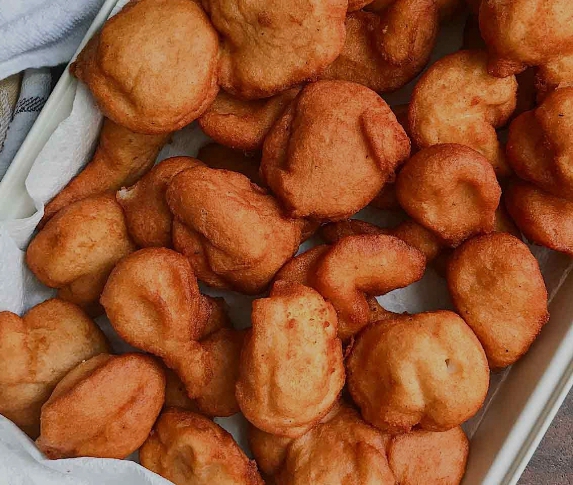
One cannot talk about street food in Nigeria without mentioning akara, deep-fried bean cakes made from blended peeled black-eyed peas, onions, and pepper. These protein-rich fritters are a breakfast staple but can be enjoyed any time of day. Akara is typically served with bread, pap (a fermented corn porridge), or custard. The texture — crispy on the outside and fluffy inside — along with the slightly spicy taste, makes akara a timeless street food treasure.
5. Noodles
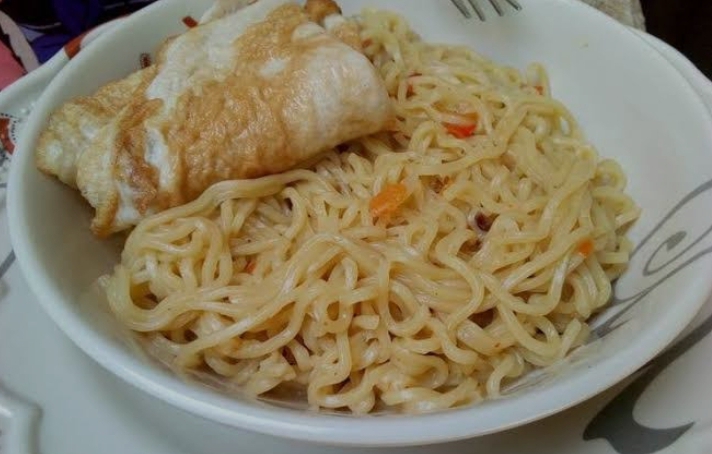
For lovers of noodles and quick stir-fried meals, Nigeria has developed its own variation of instant noodle stir-fries, often made on the spot in roadside kiosks or makeshift kitchens. Instead of just boiling and serving them plain, many vendors cook the noodles with vegetables, eggs, sausages, and a generous mix of seasonings. These “indomie joints” are very popular, especially in student communities and nightlife zones, where quick, affordable, and flavorful meals are in constant demand. Though not traditional, this modern street food adapts imported convenience foods to the Nigerian taste palette with remarkable success.
6. Abacha
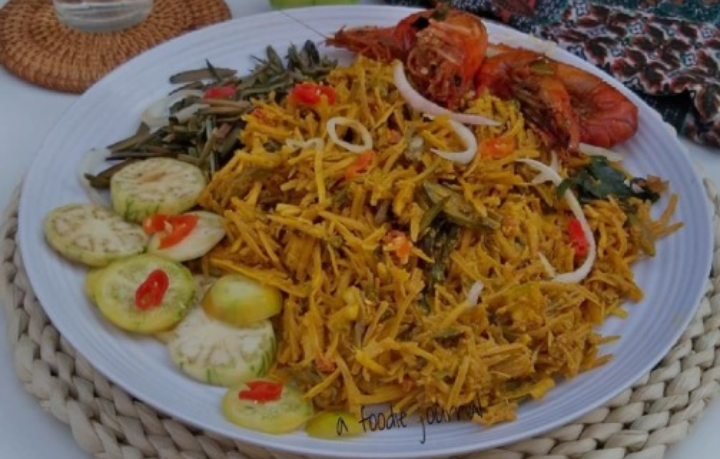
Often referred to as African salad. Made from shredded cassava, abacha is typically mixed with palm oil, potash, sliced onions, ugba (fermented oil bean), and seasoned with crayfish, pepper, and garden eggs. Vendors add toppings like kpomo (cow skin), fried fish, or even stockfish to enrich the meal. Abacha is served cold and is especially loved in the southeastern region. Abacha is both a snack and a full meal, depending on how it’s served. It’s a cultural experience that reflects the culinary pride of the Igbo people.
7. Moi Moi (Bean Pudding)
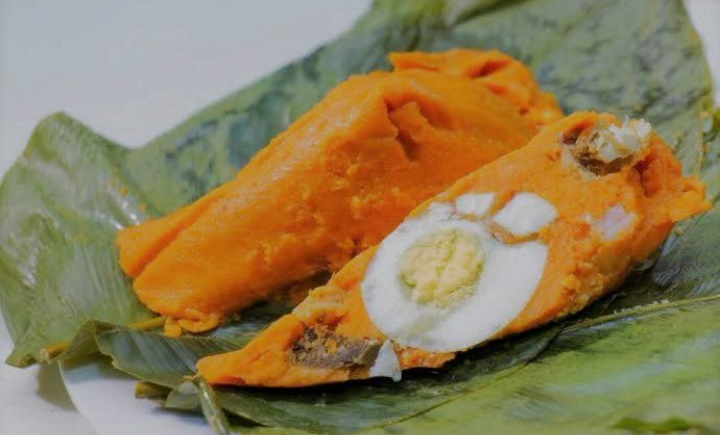
Moi moi, though often found at homes or restaurants, also has a strong presence on the streets. This steamed bean pudding, made from blended beans, oil, and spices, is usually wrapped in leaves or served in foil or plastic containers. On the streets, it’s sold alongside jollof rice or eaten on its own as a satisfying midday meal. Vendors frequently offer variations filled with egg, fish, or meat, giving customers a wide range of choices. Vendors set up early in the morning or late in the afternoon, and it’s popular with office workers looking for something light but satisfying.
8. Donkwa
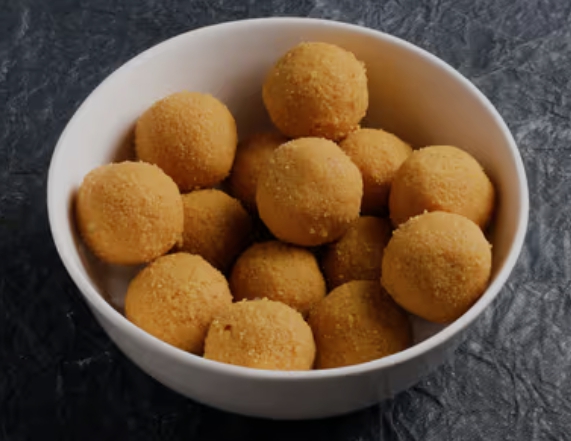
Nigeria’s street food scene also includes sweet options like donkwa, a dry, spicy snack made from ground maize and groundnut flour, seasoned with ginger and pepper, then molded into small balls. Donkwa is common in the north and is usually sold in small plastic bags or wraps. It’s an ideal snack for those on the move and a reminder of Nigeria’s ability to turn basic ingredients into flavorful bites.
9. Ewa Agoyin
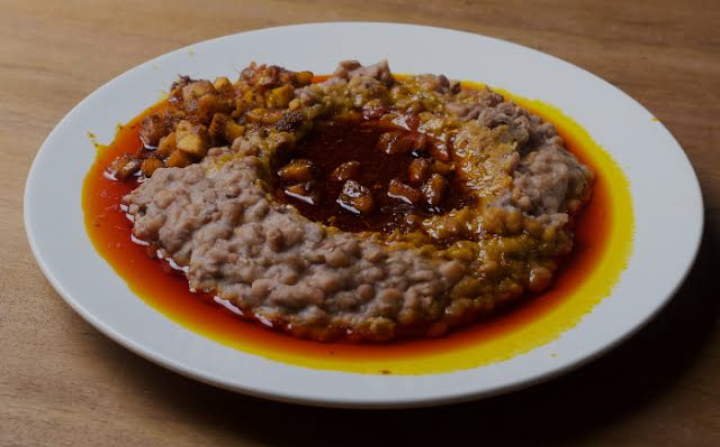
Ewa agoyin is one of those meals that looks simple but packs serious flavour. The beans are cooked until they’re super soft and mushy, then served with a thick, spicy sauce made from dried peppers and onions. It’s usually eaten with soft bread, and that combo of creamy beans and peppery oil is unforgettable. In places like Lagos, you’ll see people queuing up for it in the morning—it’s that good.
10. Roasted Corn

Vendors roast it over charcoal, turning it just enough to get a good char without burning it. It’s usually sold with ube (African pear), which is slightly warmed and has a buttery taste that goes perfectly with the corn. It’s a seasonal treat.
Conclusion
Street food in Nigeria is more than what’s on the plate. It’s that familiar smell when you walk down the road, the small talk with the vendor while you wait, and the satisfaction of a good meal that doesn’t cost too much. Whether it’s a N50 puff-puff or a suya platter for N2000, the goal is always to satisfy, to nourish, and to connect.